Tips for Creating a Productive and Comfortable Home Office Space
Creating a home office that is both productive and comfortable can make a significant difference in how well you work and feel throughout the day. Whether you’re new to remote work or looking to upgrade your current setup, these tips will help you design a space that supports your focus, health, and well-being.
Choose the Right Location
Selecting the right spot for your home office is the first step. Ideally, pick a quiet area with minimal distractions, where you can concentrate without interruptions. If possible, choose a room with a door to separate work from the rest of your home life. If a dedicated room isn’t available, find a corner or nook that can be set apart visually and physically.
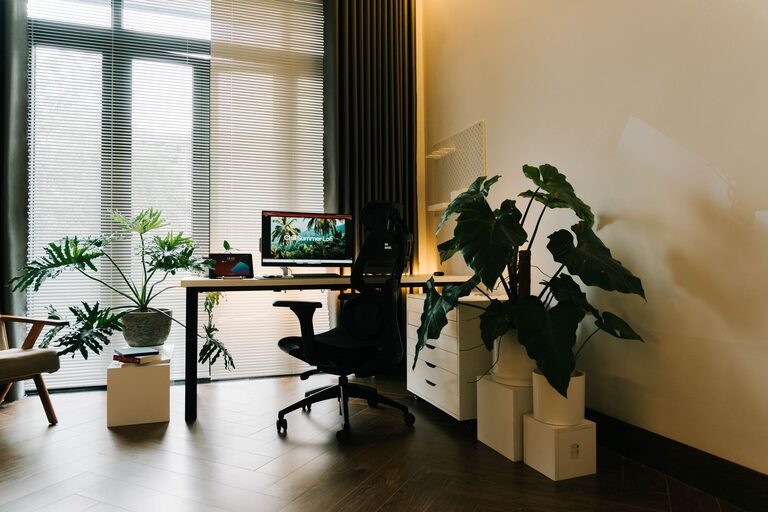
Natural light is also important. Position your desk near a window to take advantage of daylight, which can improve mood and energy levels. Avoid glare on your computer screen by adjusting the angle or using blinds.
Invest in Ergonomic Furniture
Comfort is key when spending hours at your desk. Investing in ergonomic furniture can reduce strain on your body and improve productivity.
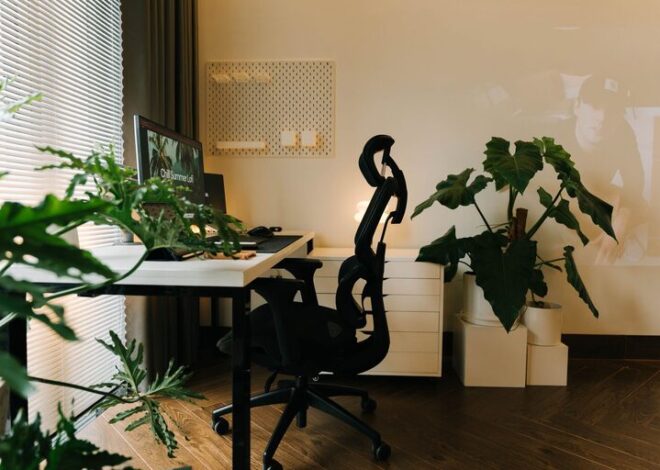
– Ergonomic Chair: Choose a chair with adjustable height, lumbar support, and comfortable cushioning. Your feet should rest flat on the floor, and your arms should be at a natural angle when typing.
– Desk: The desk height should allow your elbows to be at about 90 degrees when working. Consider adjustable desks or standing desks if you want to alternate between sitting and standing.
– Monitor Setup: Your computer screen should be at eye level to avoid neck strain. Use monitor stands or adjustable arms if necessary.
Organize Your Space
A cluttered workspace can be distracting and hinder your focus. Keep your desk tidy and organize essential tools within easy reach.
– Use organizers such as trays, file holders, and drawers to keep papers and supplies sorted.
– Minimize items on your desk to what you use daily.
– Utilize shelves or storage units to keep less frequently used items out of sight but accessible.
Personalize for Comfort and Inspiration
Adding personal touches can make your office inviting and motivating.
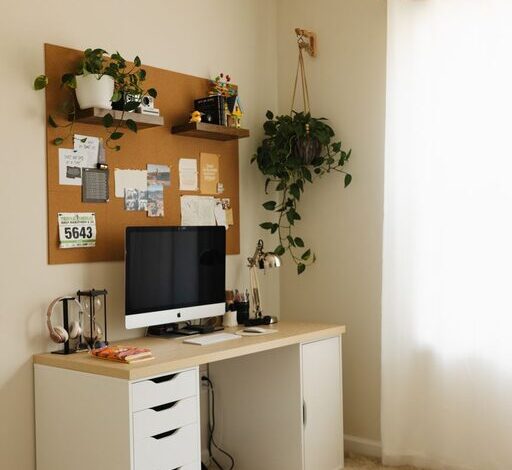
– Decorate with artwork, plants, or photos that you enjoy.
– Incorporate colors that make you feel calm or energized—blue and green tones are known to promote focus and relaxation.
– Add soft elements like cushions or a small rug for warmth.
Focus on Lighting
Proper lighting reduces eye strain and keeps you alert.
– Combine natural light with task lighting, such as a desk lamp.
– Use bulbs with a color temperature close to daylight (around 5000K) for best productivity.
– Adjust lighting to avoid glare or deep shadows on your workspace.
Minimize Noise and Distractions
If you cannot avoid noise from other household members or outside, consider noise-canceling headphones or a white noise machine to help block distractions. Setting boundaries with others about your work hours can also be helpful.
Establish Clear Boundaries
Creating boundaries between work and personal life can keep your home office effective.
– Set specific work hours and communicate them with family or housemates.
– Avoid checking work emails or taking calls outside of these hours.
– When the day ends, physically leave your workspace to signal transition to personal time.
Keep Essential Technology Up to Date
Reliable technology supports smooth workflow.
– Ensure your internet connection is fast and stable.
– Use a good-quality webcam and microphone for virtual meetings.
– Keep your computer, software, and security tools up to date.
Incorporate Break Areas
Taking breaks is vital for maintaining productivity and avoiding burnout.
– Have a separate spot near your office for stretching or relaxing.
– Use breaks to move around, hydrate, or step outside for fresh air.
Maintain Good Posture and Take Care of Yourself
Finally, pay attention to your posture and health.
– Sit upright with shoulders relaxed.
– Take short breaks every hour to stand and stretch.
– Consider incorporating light exercises or yoga into your day.
Conclusion
Designing a home office that balances productivity and comfort doesn’t have to be complicated or costly. By choosing the right location, investing in ergonomic furniture, organizing your space, and adding personal touches, you can create an environment that supports effective work and promotes well-being. Remember to establish clear boundaries and take care of your physical and mental health to make the most of your home office experience.