Tips for Creating a Relaxing and Productive Home Office Space
Creating a home office that encourages both relaxation and productivity can make a significant difference in your daily work routine. Whether you’re new to working from home or looking to improve your current setup, these practical tips will help you build a space that supports focus, creativity, and wellbeing.
Choose the Right Location
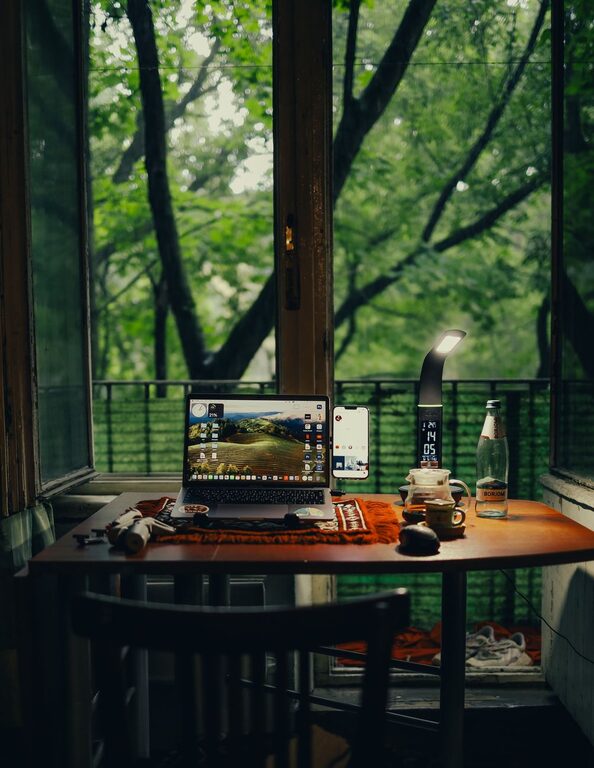
Finding the ideal spot for your home office is the first step. Ideally, select a quiet area with plenty of natural light. Natural light boosts mood and reduces eye strain, helping you stay alert without feeling overwhelmed.
If space is tight, consider using a corner of a less-used room or setting up a desk by a window. Avoid high-traffic or noisy areas where interruptions are common.
Invest in Comfortable Furniture
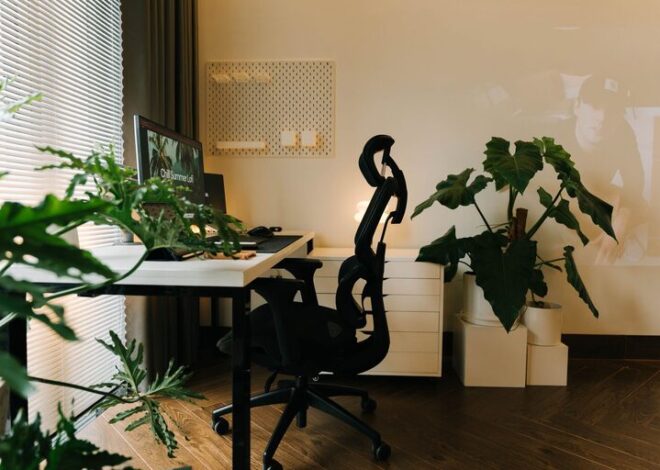
Comfort plays a crucial role in staying productive all day. Invest in an ergonomic chair that supports your back and encourages good posture. Adjustable chairs and desks allow you to modify your workspace to fit your needs, reducing fatigue and discomfort.
A spacious desk is also important. Make sure there’s enough room for your computer, notebooks, and other essentials without feeling cramped. If you prefer standing while working, consider a sit-stand desk.
Keep Your Space Organized
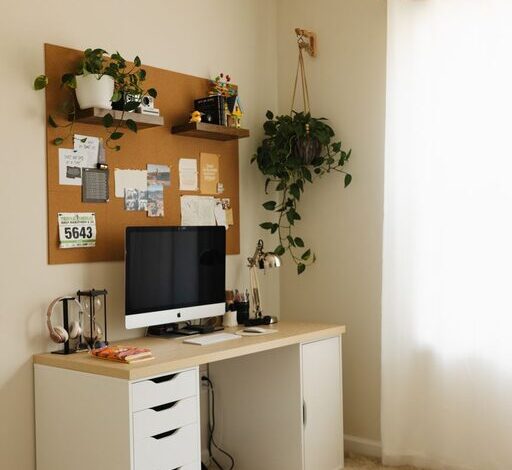
Clutter can be distracting and stressful. Keep your home office organized by using storage solutions such as shelves, filing cabinets, or drawer organizers. Regularly declutter your desk and store items you don’t use daily.
To-do lists, calendars, or whiteboards can help you plan your day and keep track of important tasks without overwhelming your workspace. Organizing digital files is equally important—consider using apps or cloud storage to keep everything accessible.
Use Soothing Colors and Decor
Colors influence mood and productivity. Soft, neutral tones like light blues, greens, or grays create a calming atmosphere that reduces stress. Bright colors can inspire creativity, but use them sparingly to avoid distraction.
Personalize your workspace with simple decor—plants, artwork, or meaningful objects make your office welcoming and inspiring. Plants, in particular, improve air quality and bring a touch of nature indoors.
Minimize Distractions
In a home office, distractions abound. To stay focused, set clear boundaries with family or roommates about your working hours. Use noise-canceling headphones or play instrumental music to drown out background sounds.
Turn off non-essential notifications on your devices. Consider apps that block distracting websites during work hours. Keeping your phone out of sight unless necessary helps maintain concentration.
Optimize Lighting
In addition to natural light, proper artificial lighting is essential. Use a combination of ambient lighting and task lighting to reduce eye strain. A desk lamp with adjustable brightness allows you to tailor the light to your needs.
Avoid harsh overhead lights that create glare or flicker. Position your computer screen to minimize reflections and eye fatigue.
Incorporate Break Areas
Even in a small home office, having a designated spot for breaks encourages you to step away and refresh your mind. A comfortable chair or a yoga mat nearby invites short stretching sessions or mindfulness exercises.
Regular breaks not only improve productivity but also balance the demands of work with relaxation. Try using a timer to remind yourself to take breaks at regular intervals.
Technology Setup for Efficiency
Make sure your tech setup supports a smooth workflow. A reliable, fast internet connection is crucial. Invest in quality peripherals like a good keyboard, mouse, and external monitor if needed.
Keep cables organized with clips or sleeves to prevent tangling. Regularly update software and backup your work to avoid technical disruptions.
Set a Routine and Boundaries
Establishing a clear routine helps your brain separate work time from personal time. Set consistent working hours and create a start-of-day ritual like making a cup of tea or reviewing your task list.
When the workday ends, shut down your computer and tidy your workspace. This physical action signals to your mind that it’s time to relax.
—
Final Thoughts
Designing a home office that balances relaxation and productivity isn’t about perfection—it’s about creating a space that works for you. By focusing on comfort, organization, lighting, and boundaries, you can build an environment that supports your best work while keeping stress in check.
Start small, experiment with changes, and you’ll soon enjoy a more satisfying and effective home office experience.