
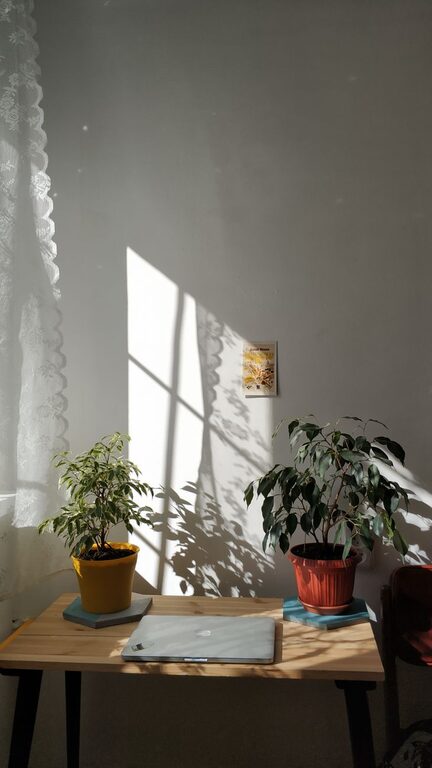
Tips for Creating a Cozy and Functional Home Workspace
Creating a cozy and functional home workspace is essential for productivity and well-being, especially as more people work remotely or spend significant time on personal projects at home. A thoughtfully designed workspace can help you stay focused, reduce stress, and improve your work-life balance. Below are practical tips to help you craft a home office that is both comfortable and efficient.
1. Choose the Right Location
Selecting the right spot in your home is the first step to creating an effective workspace.
– Quiet Environment: Pick a quiet area away from household noise and distractions.
– Natural Light: If possible, situate your desk near a window to maximize daylight, which can boost mood and energy.
– Space Considerations: Ensure there’s enough room for your desk, chair, and any equipment you need, with some extra space for movement.
2. Invest in Ergonomic Furniture
Comfort is key to sustaining long hours of work.
– Supportive Chair: Choose a chair that supports your lower back, encourages good posture, and is adjustable in height.
– Desk Height: Your desk should allow your forearms to be parallel to the floor when typing.
– Additional Accessories: Consider an adjustable monitor stand, keyboard tray, or footrest to enhance comfort and reduce strain.
3. Focus on Lighting
Good lighting reduces eye strain and keeps you alert.
– Layered Lighting: Use a combination of natural light, overhead lights, and task lighting.
– Desk Lamp: Invest in a desk lamp with adjustable brightness and color temperature to suit different tasks.
– Avoid Glare: Position screens and light sources to reduce glare on your monitor.
4. Organize for Efficiency
A tidy workspace supports focus and productivity.
– Declutter Regularly: Keep only essential items on your desk to minimize distractions.
– Storage Solutions: Use shelves, drawers, or storage bins to keep supplies organized.
– Cable Management: Use clips or sleeves to keep cords neat and prevent tangling.
5. Personalize Your Space
Adding personal touches makes your workspace inviting.
– Color and Decor: Choose calming or inspiring colors for walls or accessories.
– Plants: Indoor plants can improve air quality and add a touch of nature.
– Artwork or Photos: Display images or art that motivate you without overwhelming the space.
6. Include Functional Technology
Make sure your technology supports your work needs effectively.
– Reliable Equipment: Use a computer, printer, or other tools that are dependable and meet your workload demands.
– High-Speed Internet: Ensure your internet connection is fast and stable.
– Accessories: Consider noise-canceling headphones or an external keyboard and mouse for comfort.
7. Create Boundaries
Set clear physical and mental boundaries to separate work from home life.
– Dedicated Workspace: Even a small, specific area designated for work can help focus.
– Visual Cues: Use rugs or room dividers to mark your work zone.
– End-of-Day Routine: Develop habits to signal the end of your workday and transition to relaxation.
8. Maintain Flexibility
Design your space to allow for changes as your needs evolve.
– Modular Furniture: Choose pieces that can be easily rearranged or repurposed.
– Adjustable Lighting and Seating: Be ready to adapt based on season or work tasks.
– Space for Movement: Incorporate breaks and stretches to stay healthy.
—
Creating a cozy and functional home workspace doesn’t have to be complicated or expensive. Thoughtful planning, comfortable furniture, good lighting, and an organized environment can make your workspace a place you enjoy spending time. By personalizing the space and setting boundaries, you’ll foster a healthy work routine that supports both productivity and relaxation. Start small, and adjust as you find what works best for you—your ideal home office is just a few simple steps away.
